“Germany Underground” 2.0: Access Rules, Tickets and Safety in Catacombs, Bunkers and Tunnels
Germany’s underground heritage is far more regulated and structured than many travellers expect. From Second World War bunkers and Cold War civil defence shelters to medieval mining galleries and urban utility tunnels, access in 2026 is governed by strict safety laws, heritage protection rules and city-specific booking systems. This guide focuses on the practical side: how to book legally, what to bring, real restrictions you must consider, and how to distinguish authorised tours from questionable offers. It also includes five carefully selected half-day scenarios in different cities beyond the usual Berlin, Cologne and Leipzig circuit.
Access, Booking and Legal Framework in 2026
In Germany, most underground sites are protected either as historical monuments (Denkmalschutz) or as technical infrastructure. This means independent entry is typically prohibited. Access is granted only through licensed operators, municipal museums, or registered historical associations. As of 2026, spontaneous “walk-in” access is rare; advance booking through official museum websites or city tourism offices is standard practice, particularly in high-demand cities such as Hamburg and Nuremberg.
Tickets are generally digital, with timed entry slots. Prices in 2026 range from €8 to €18 per adult depending on duration and site category. Reduced rates apply to students and seniors, while some tours require a minimum age (often 6, 10 or 14 years). Payment is commonly card-based, and many locations no longer accept cash on site. Confirmation emails must be shown at entry along with valid ID for discounted tickets.
To distinguish legal tours from questionable offers, check three elements: official city or museum branding, a German tax identification number (Impressum with company details), and clear liability insurance information. Avoid offers arranged solely via private messaging apps or informal social media groups. Entering sealed or abandoned structures without permission is trespassing under German law and can lead to fines or prosecution.
Preparation Checklist: Temperature, Equipment and Personal Limits
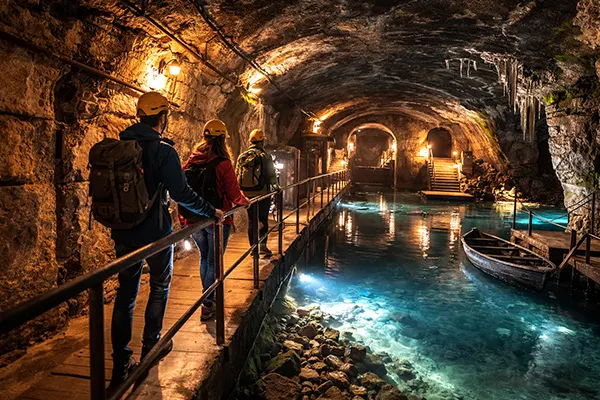
Underground temperatures in Germany remain stable year-round, typically between 8°C and 14°C. Even in summer, conditions can feel damp and cold after 30–60 minutes. A light insulated jacket is advisable. Closed, slip-resistant footwear is essential; many tunnels have uneven stone floors or metal grating stairs.
Claustrophobia is a genuine consideration. Some corridors, especially in medieval mining tunnels or civil defence bunkers, are narrow and low-ceilinged. Visitors with respiratory issues or panic disorders should check route descriptions in advance. Tours rarely allow early exit except at designated points, as group safety protocols must be maintained.
Photography rules vary. Handheld cameras are usually permitted, but tripods are often banned due to narrow passages and evacuation safety. Flash may be restricted in heritage-protected areas. Children are typically welcome only if they meet minimum age limits; prams are not allowed, and baby carriers are recommended instead.
Types of Underground Formats: What You Are Actually Booking
Not all underground tours are alike. In 2026, operators usually fall into four main categories: museum-led heritage tours, historical tunnel explorations, civil defence or Cold War bunkers, and technical infrastructure visits. Each format differs in physical intensity, historical depth and safety briefing requirements.
Museum-led tours are the most structured. These include curated routes through preserved bunkers or catacombs with explanatory panels and controlled lighting. They focus on education rather than physical challenge and are suitable for a broad audience. Duration typically ranges from 60 to 90 minutes.
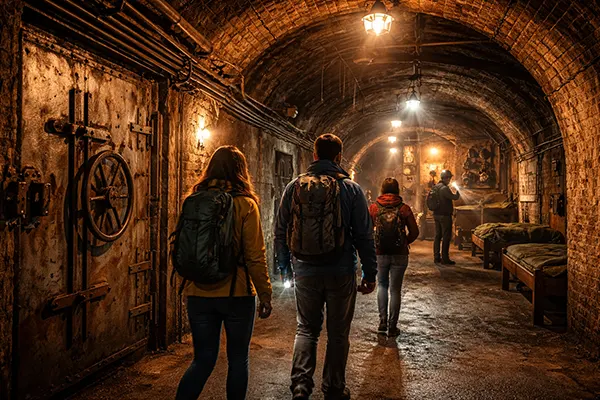
Historical tunnel tours, such as medieval mining passages or fortified city cellars, involve more uneven terrain and sometimes partial darkness. Civil defence bunkers, often from the Cold War period, emphasise emergency planning history and may include original equipment. Technical infrastructure tours—such as drainage systems or energy tunnels—are less common and often require special event registration.
Safety Protocols and Insurance Considerations
All authorised tours in Germany must comply with strict occupational safety standards. Guides are trained in evacuation procedures and carry communication devices where mobile reception is unavailable. Maximum group sizes are regulated, usually between 10 and 25 participants depending on corridor width and emergency exits.
Public liability insurance (Haftpflichtversicherung) is mandatory for operators. Visitors are normally covered under the organiser’s policy during the tour, provided they follow instructions. Ignoring safety guidance—such as crossing barriers or touching equipment—can void liability coverage.
Helmets are rarely required in urban bunkers but may be provided in mining tunnels or technical environments. Handrails and emergency lighting are installed in approved sites. If a location lacks visible safety markings or refuses to explain evacuation routes, reconsider participation.
Five Verified Half-Day Underground Scenarios (2026)
1. Hamburg – Elbtunnel & Civil Defence Bunkers
Begin with the historic Alter Elbtunnel (1911), accessible free of charge for pedestrians during the day. Combine this with a booked tour of Hamburg’s preserved WWII flak bunker sites managed by official cultural organisations. Allow 3–4 hours including surface museum sections.
2. Nuremberg – Rock-Cut Cellars and WWII Art Bunkers
The Historische Felsengänge offer guided access to sandstone cellars beneath the old town. Tickets in 2026 cost approximately €12–€15. Tours include sections used to protect art collections during air raids. Duration: around 90 minutes plus time above ground.
3. Stuttgart – Former Air-Raid Shelters
Stuttgart’s StadtPalais and associated bunker tours provide insight into civilian wartime life. Booking through the official museum website is required. Expect controlled lighting, moderate walking and a 60–75 minute guided format.
Additional Half-Day Options Beyond Major Tourist Routes
4. Saarbrücken – Limestone Mining Tunnels (Schlossberg Caves, Homburg)
These are among Europe’s largest man-made sandstone caves. Official guided tours cost around €10–€14. The environment is cool and humid, with stair access and wide chambers suitable for most visitors without severe mobility restrictions.
5. Ulm – Federal Fortress Underground Passages
Part of the 19th-century Bundesfestung, these tunnels are accessible through city-organised heritage tours. They provide insight into military engineering rather than wartime shelter life. Expect limited dates and advance booking requirements.
Each of these scenarios fits comfortably into a half-day schedule and can be paired with surface museums or historic walking routes. Always confirm seasonal opening times, as many underground tours operate on reduced winter timetables.