Lesser-known Medieval Towns and Villages in Germany: Authentic Routes Without Tourist Crowds
Germany’s medieval landscape extends far beyond its world-famous destinations. Away from busy centres lie small towns and villages that have preserved their original character, where half-timbered houses, narrow lanes and centuries-old churches reflect daily life as it once was. These communities remain largely absent from mainstream travel guides, yet they offer a genuine picture of regional history and craftsmanship. This article explores three areas with remarkable heritage, practical travel advice and insights relevant to visitors in 2025.
Historic Settlements in Hesse: Fachwerk Architecture off Major Routes
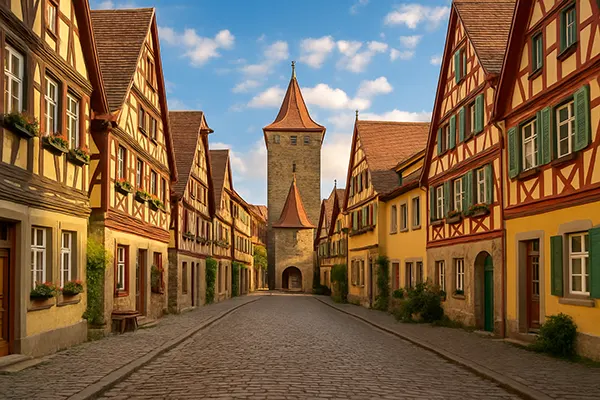
Hesse contains dozens of small settlements that have maintained their traditional appearance due to limited modern redevelopment. Towns such as Idstein and Biedenkopf feature well-preserved market squares framed by timber-framed houses dating from the fifteenth and sixteenth centuries. Unlike larger urban centres, these locations receive a manageable number of visitors throughout the year, allowing travellers to appreciate the historical details without congestion.
The region’s medieval buildings still follow original floor plans, and many retain decorative carvings that reflect social and economic life of the period. Local museums provide context on regional craft traditions, including woodcarving, stonework and early textile production. The surrounding landscape of forested hills and small rivers adds to the character, making the towns suitable for walking routes between neighbourhoods, castle ruins and former defensive walls.
Transport connections in Hesse remain convenient. Regional trains link these destinations with Frankfurt and Wiesbaden, making day trips achievable without a car. Small guesthouses located in historic buildings offer accommodation with local ownership rather than large commercial chains. Travellers planning a route for 2025 will find that most of these towns have updated visitor information centres and interactive maps to support self-guided itineraries.
Idstein, Biedenkopf and Braunfels: Architecture and Local Heritage
Idstein is known for its distinctive “Hexenturm”, a thirteenth-century tower rising above a compact historic core. The town’s lanes follow medieval alignments, and many buildings display slate roofs typical of the Taunus area. Seasonal events organised by residents focus on regional customs, including traditional weaving and woodworking workshops.
Biedenkopf, located near the Rothaar Mountains, centres around a fourteenth-century hilltop castle that offers extensive views of the valley. The lower town retains its irregular layout, shaped by centuries of incremental construction. Visitors often explore the small craft museum, which documents local industries from metalwork to leather production.
The town of Braunfels differs in atmosphere, with a castle complex overlooking a quiet main square surrounded by cafés run by local families. Its streets are lined with dark-timbered houses, many restored according to strict conservation standards. For travellers seeking calm surroundings, Braunfels is particularly suitable due to its limited commercial development and pedestrian-friendly centre.
Bavaria’s Franconian Villages: Quiet Alternatives to Popular Routes
Franconia in northern Bavaria is home to rural communities that preserve medieval town planning more completely than many well-known destinations. Villages such as Marktbreit, Iphofen and Sommerhausen provide a combination of fortified walls, stone towers and wine-producing landscapes. Their historical integrity makes them appealing for travellers who prefer detailed architectural features rather than large urban attractions.
Traditional wineries play an important role in shaping Franconian cultural identity. Stone cellars beneath medieval houses remain in active use, while local families maintain long-standing vineyard traditions. The region’s gently rolling hills offer scenic walking and cycling routes, many of which pass through vineyards and former trade paths used by merchants in the Middle Ages.
Public transport in this part of Bavaria has been significantly improved by 2025, with hourly train connections from Würzburg and Nuremberg. Accommodation is typically provided by small inns located in centuries-old buildings, often with owners who share background information about local history. Due to the lack of mass tourism, visitors receive personal recommendations for routes, seasonal events and historical points of interest.
Marktbreit, Iphofen and Sommerhausen: Medieval Layouts and Wine Culture
Marktbreit’s medieval centre occupies a narrow section of the Main River, with beautifully restored patrician houses dating from the Renaissance period. The old customs house and the fortified gate remain highlights for visitors interested in regional trade history. Several walking paths lead from the riverbank into the compact old town, making it suitable for short cultural routes.
Iphofen stands out for its intact town walls and imposing stone gates. The centre contains churches with Gothic elements, courtyards framed by half-timbered houses and small craft shops operated by local artisans. The nearby vineyards create a unique backdrop, offering visitors opportunities to combine historical sightseeing with wine-related activities.
Sommerhausen has preserved its medieval atmosphere due to strict construction regulations. The narrow lanes, original defensive wall sections and traditional wine cellars make the village one of the quietest yet most engaging destinations in the Würzburg area. Travellers looking for peaceful surroundings will find it particularly appealing, especially during weekday visits.
Schleswig-Holstein’s Coastal Settlements: Medieval Heritage Beyond Major Ports
Northern Germany is frequently associated with its large Hanseatic ports, yet smaller medieval towns in Schleswig-Holstein offer a different perspective on coastal history. Places such as Arnis, Kappeln and Friedrichstadt maintain architectural features shaped by maritime trade, religious communities and early settlement planning. These destinations provide calm environments compared with the region’s major tourist hubs.
The cultural landscape of Schleswig-Holstein is influenced by centuries of interaction between German and Danish communities. This diversity is reflected in the design of local houses, churches and street layouts. Many settlements include waterways that were once used for small trading vessels, creating picturesque routes for modern visitors.
Local authorities have invested in heritage preservation, ensuring that traditional structures remain intact despite changing economic pressures. Public transport improvements enable convenient travel from Kiel and Flensburg, and community-run guesthouses maintain the atmosphere of small coastal towns. Updated visitor centres in 2025 provide maps and information on walking tours, maritime museums and local crafts.
Arnis, Kappeln and Friedrichstadt: Coastal History and Distinctive Architecture
Arnis, regarded as Germany’s smallest town by population, lies on a narrow peninsula surrounded by the Schlei inlet. Its coastal cottages, boatyards and compact layout give an authentic sense of maritime life. Many residents continue traditional boatbuilding, offering visitors an insight into local craftsmanship.
Kappeln sits along the Schlei waterway and features a blend of brick merchants’ houses, a historic bascule bridge and a small harbour. The town’s fishing heritage remains visible in its local markets, while surrounding cycling routes follow former coastal paths used by traders and farmers.
Friedrichstadt presents a unique architectural identity with its seventeenth-century Dutch-style canal grid. The orderly streets, gabled houses and waterways reflect the town’s origins as a refuge for religious minorities. Today, it remains quieter than larger northern ports, making it well suited for travellers interested in cultural history and relaxed exploration.