Rügen Island in 2026: Chalk Cliffs, Jasmund National Park and Baltic Coastal Routes
Rügen remains Germany’s largest island and one of the country’s most rewarding coastal destinations in 2026. Located in the Baltic Sea, it combines dramatic natural scenery, well-maintained walking trails, traditional seaside resorts and protected landscapes within relatively short travelling distances. Visitors come throughout the year to admire the famous white chalk cliffs, walk through ancient beech forests, cycle between fishing villages or relax on long sandy beaches. Modern transport links, extensive hiking infrastructure and carefully managed conservation programmes continue to make the island accessible while preserving its distinctive character.
Why Rügen Continues to Be One of Germany’s Most Popular Coastal Destinations
Rügen belongs to the federal state of Mecklenburg-Western Pomerania and covers more than 900 square kilometres. The island is connected to the mainland by the Rügen Bridge and railway links from Stralsund, allowing straightforward travel by both car and public transport. Direct regional trains from major German cities make it possible to reach the island without hiring a vehicle, while local buses connect many of the principal attractions.
Unlike many seaside destinations that focus solely on beaches, Rügen offers remarkable geographical variety. Visitors can move from steep chalk cliffs to quiet lagoons, dense forests, fishing harbours and elegant nineteenth-century spa architecture within the same day. Historic resorts such as Binz, Sellin and Göhren continue to preserve their distinctive wooden villas, long promenades and traditional piers, giving the coastline a recognisable identity.
Tourism remains carefully balanced with environmental protection. Significant parts of the island fall within protected landscapes or nature reserves, where construction is tightly regulated. Clearly marked walking paths, cycling routes and visitor centres encourage sustainable tourism while reducing pressure on sensitive ecosystems. This approach helps preserve habitats for native wildlife and maintains the scenery that attracts millions of visitors each year.
Best Times to Visit Rügen in 2026
Spring is particularly attractive for hikers and photographers. Between April and early June, beech forests gradually turn bright green, wildflowers appear across open meadows and visitor numbers remain relatively modest. Cooler temperatures also make longer coastal walks considerably more comfortable than during the height of summer.
Summer offers the warmest Baltic weather and the busiest atmosphere. Beaches around Binz, Sellin and Baabe become popular destinations for swimming, sailing and family holidays. Ferries, excursion boats, restaurants and outdoor attractions operate on their fullest schedules, although advance accommodation bookings are recommended well before the holiday season begins.
Autumn brings colourful woodland landscapes, quieter beaches and excellent visibility along the coast. Winter presents an entirely different perspective, with peaceful promenades, dramatic waves and crisp coastal air. Although some seasonal attractions reduce their opening hours, many hotels, museums and restaurants continue welcoming visitors throughout the colder months.
Exploring Jasmund National Park and the Famous Chalk Cliffs
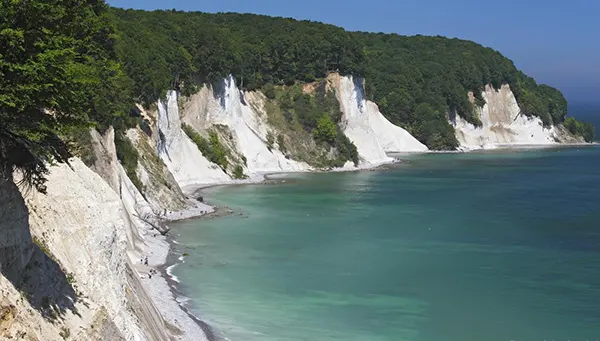
Jasmund National Park occupies the north-eastern section of Rügen and protects one of Germany’s smallest yet most significant national parks. Its ancient beech forests form part of the UNESCO World Heritage listing known as the Ancient and Primeval Beech Forests of Europe. These forests have developed naturally for centuries, providing valuable habitats for birds, insects and numerous woodland species.
The park’s internationally recognised chalk cliffs were formed millions of years ago from marine sediments. Constant coastal erosion continues to reshape the landscape, occasionally causing sections of cliff to collapse into the Baltic Sea. For this reason, visitors should remain on designated trails and viewing platforms rather than approaching unstable cliff edges.
The Königsstuhl, or King’s Chair, remains the island’s most celebrated natural landmark. Rising approximately 118 metres above sea level, this striking white cliff offers expansive views across the Baltic. The modern visitor centre explains the geological history of the cliffs, regional wildlife and the ongoing conservation efforts that help protect this fragile coastline.
Walking Routes Through Jasmund National Park
Several well-signposted trails allow visitors to experience the national park at different levels of difficulty. The route connecting Sassnitz with Königsstuhl follows sections of the high coastline, passing forest viewpoints and smaller chalk formations while remaining suitable for reasonably fit walkers.
The Hochuferweg, or High Shore Trail, is among the island’s best-known hiking routes. It follows the cliff tops for many kilometres, combining woodland scenery with frequent panoramic viewpoints overlooking the Baltic Sea. Information boards along the route explain geological features, native vegetation and the importance of preserving sensitive habitats.
For visitors seeking shorter walks, circular routes around the visitor centre provide accessible alternatives without requiring a full-day hike. Observation platforms allow excellent photography opportunities while protecting vulnerable vegetation from unnecessary foot traffic. These maintained paths also improve safety in areas affected by natural coastal erosion.
Scenic Baltic Routes, Coastal Villages and Practical Travel Tips
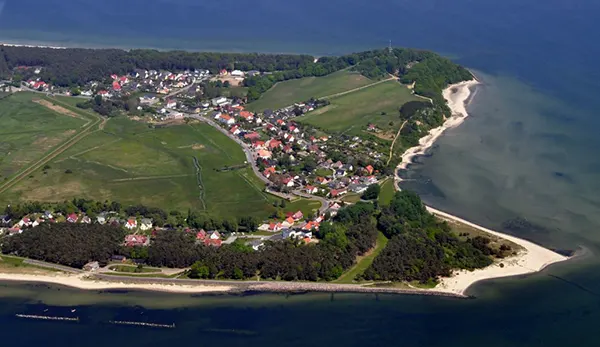
Rügen offers an extensive network of coastal routes suitable for hiking, cycling and leisurely sightseeing. Many trails follow the Baltic shoreline before passing through forests, open farmland and small villages that have retained their traditional character. Well-maintained signposting makes independent exploration straightforward, while numerous rest areas and viewpoints allow visitors to enjoy the changing coastal scenery at their own pace.
One of the island’s most rewarding journeys links several historic seaside resorts. Travelling between Binz, Sellin, Baabe and Göhren allows visitors to experience elegant spa architecture, wide sandy beaches and long wooden piers that have become symbols of Germany’s Baltic coast. Each town has its own atmosphere, with cafés, local seafood restaurants and promenades providing opportunities to pause between walks.
Away from the better-known resorts, quieter areas reveal another side of Rügen. Small fishing communities such as Vitt continue to preserve traditional cottages with reed roofs, while the western coastline features peaceful lagoons, birdwatching locations and open landscapes that differ considerably from the dramatic cliffs of Jasmund. Exploring these less-visited districts rewards travellers seeking a slower pace and authentic regional scenery.
Planning a Comfortable Visit to Rügen in 2026
Travellers planning several days on the island often benefit from combining different forms of transport. Local buses reach many popular attractions, while bicycle hire is widely available in larger resorts. The historic Rasender Roland narrow-gauge steam railway remains one of the island’s most enjoyable ways to travel between seaside towns, combining practical transport with a glimpse into regional history.
Accommodation ranges from family-run guesthouses and holiday apartments to modern wellness hotels overlooking the Baltic Sea. Booking well in advance remains advisable for visits during school holidays and the peak summer season, particularly in Binz and Sellin where demand is consistently high. Outside the busiest months, visitors often enjoy greater accommodation choice together with a quieter atmosphere across beaches and walking trails.
Weather conditions along the Baltic coast can change quickly regardless of season. Comfortable walking footwear, waterproof clothing and layered garments are recommended throughout the year, particularly for those planning extended hikes along exposed coastal paths. Respecting marked routes, observing safety notices near the chalk cliffs and following national park regulations help protect both visitors and one of Germany’s most valuable coastal landscapes for future generations.