Germany’s Lake Districts for a Relaxed Escape: Müritz, Chiemsee and Lake Starnberg
Germany is often associated with large cities, alpine roads and Christmas markets, yet the country’s inland lakes offer a completely different rhythm of travel. Müritz in Mecklenburg-Vorpommern, Chiemsee in Bavaria and Lake Starnberg near Munich attract visitors looking for quiet landscapes, clean water, cycling routes and slower journeys without complicated logistics. Each destination suits a different style of holiday, from active weekends with hiking and sailing to calm family breaks near nature reserves and traditional lakeside towns.
Müritz: Nature, Cycling Routes and National Park Landscapes
Müritz is the largest lake located entirely within Germany and forms the centrepiece of the Mecklenburg Lake District. The region is known for its protected wetlands, forests and calm waterways rather than luxury tourism or crowded promenades. Travellers often come here for canoe trips, birdwatching and cycling holidays that connect small villages, marinas and national park areas. The atmosphere remains quiet even during summer, which makes the area suitable for visitors searching for slower travel experiences.
Müritz National Park is one of the most important natural areas in northern Germany. The park includes forests, peat bogs and hundreds of smaller lakes linked by narrow channels. Visitors frequently use the marked cycling network that stretches for more than 600 kilometres around the region. Many routes are relatively flat, making them practical for families or casual cyclists. Bicycle hire is available in towns such as Waren and Röbel, where travellers can also find small guesthouses and local restaurants serving freshwater fish dishes.
Boat tourism plays an important role around Müritz, although the focus is usually on small sailing boats, electric boats and kayaks instead of large commercial cruises. Water traffic remains limited compared with more famous European lake destinations. Short ferry crossings and self-drive boats allow visitors to move between quiet bays and lakeside towns without rushing through a fixed itinerary. During spring and autumn, the region is especially popular with travellers interested in photography and wildlife migration.
Best Ways to Spend a Weekend Around Müritz
A short weekend trip to Müritz often begins in the town of Waren, which has direct railway connections from Berlin and Hamburg. The old town contains small museums, waterfront cafés and access points for boat excursions. Many travellers combine a lakeside stay with one or two cycling routes through nearby forests and villages. Since distances between attractions are manageable, visitors can explore several locations without long driving times.
Families travelling with children usually prefer beaches with shallow water near Röbel or camping areas with direct lake access. Canoe rentals and nature trails provide activities that do not depend on expensive entertainment. Several accommodation options also focus on eco-tourism and sustainable travel, including lakeside cabins and renovated farmhouses with bicycle storage and hiking maps.
Autumn has become increasingly popular around Müritz because of the changing forest colours and lower visitor numbers. Restaurants continue operating after the summer season, while local markets sell regional products such as smoked fish, honey and fruit preserves. Travellers looking for a peaceful atmosphere often consider September and early October the best period for visiting the region.
Chiemsee: Bavarian Traditions and Boat Excursions
Chiemsee, sometimes referred to as the “Bavarian Sea”, lies between Munich and Salzburg and combines mountain scenery with lakeside tourism. Unlike Müritz, the area has a stronger connection to Bavarian culture, traditional architecture and organised excursions. Visitors can reach the lake easily by train from Munich, which makes it one of the most accessible water destinations in southern Germany.
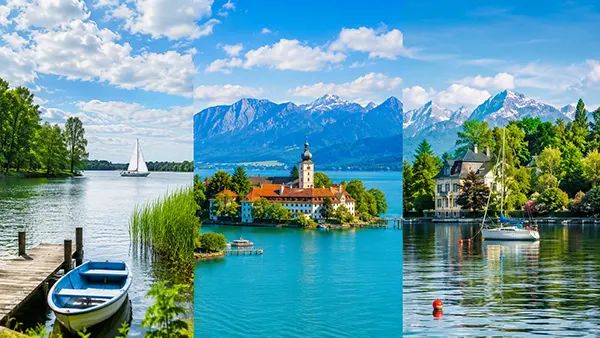
The lake is best known for its islands, especially Herreninsel and Fraueninsel. Herreninsel attracts travellers interested in history because it contains the Herrenchiemsee Palace commissioned by King Ludwig II. Boat connections operate regularly between the mainland and the islands throughout the warmer months. Fraueninsel, by contrast, offers a calmer atmosphere with narrow walking paths, monastery buildings and small artisan shops selling handmade goods and regional food products.
Outdoor activities around Chiemsee include sailing, paddleboarding and cycling along the Chiemsee Ring route. This circular path stretches for roughly 60 kilometres and passes beaches, nature reserves and small harbour towns. Since the route avoids steep alpine terrain, it is suitable for moderate cycling trips rather than demanding mountain biking. Summer visitors also use the lake as a base for day trips into the nearby Bavarian Alps.
Family Holidays and Relaxed Travel Around Chiemsee
Families often choose Chiemsee because the region combines outdoor recreation with organised tourist infrastructure. Public transport connections are reliable, and many accommodation options include direct lake access or bicycle rental services. Towns such as Prien am Chiemsee provide beaches, playgrounds and ferry terminals within walking distance from hotels and guesthouses.
The food culture around the lake reflects Bavarian traditions. Local restaurants typically serve freshwater fish, dumplings, roasted meats and regional desserts. Beer gardens remain common across the region, particularly during summer evenings. Travellers interested in local culture can also visit seasonal markets and folk festivals held in lakeside towns between May and September.
Winter travel around Chiemsee is quieter but still attractive for visitors looking for shorter countryside breaks. Christmas markets in nearby towns, snow-covered mountain views and spa hotels create a different atmosphere from the busy summer season. The lake remains accessible throughout the year, although boat schedules become more limited during colder months.
Lake Starnberg: Elegant Lakeside Travel Near Munich
Lake Starnberg lies less than an hour from Munich and has long been associated with weekend escapes, sailing clubs and historic villas. Despite its reputation for affluent tourism, the lake remains accessible for ordinary travellers thanks to regional trains, public beaches and walking routes around the shoreline. The combination of urban convenience and natural scenery makes it one of the most practical short-trip destinations in Bavaria.
The lake is historically linked with Bavarian royalty and nineteenth-century summer residences. One of the most visited landmarks is the memorial connected with King Ludwig II, whose death near the lake remains one of Germany’s enduring historical mysteries. Cultural tourism therefore plays a stronger role at Lake Starnberg compared with the more nature-oriented atmosphere of Müritz.
Many visitors use Lake Starnberg for day trips rather than extended holidays. Ferries connect several lakeside towns, including Starnberg, Tutzing and Bernried. Walking promenades, marinas and swimming areas create an environment suitable for relaxed travel without detailed planning. During warmer months, locals from Munich frequently arrive for swimming, sailing or evening dining near the waterfront.
Short Breaks and Scenic Routes Around Lake Starnberg
Lake Starnberg is especially convenient for travellers arriving through Munich Airport or combining city tourism with nature-focused excursions. Direct rail services allow visitors to reach the lake quickly without renting a car. Because of this accessibility, the area works well for short weekend journeys or spontaneous summer trips.
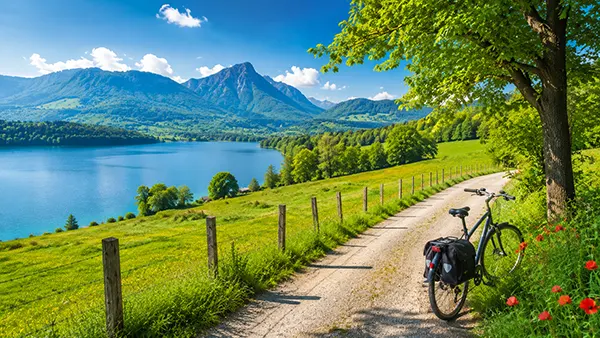
Cycling and hiking routes around the lake are generally shorter and more developed than those near Müritz. Many paths pass historic villas, wooded sections and panoramic viewpoints facing the Alps. Travellers interested in photography often prefer early morning or evening hours, when the mountain scenery becomes more visible across the water.
Accommodation around Lake Starnberg ranges from traditional guesthouses to modern spa hotels. Some visitors choose lakeside wellness resorts with saunas and thermal facilities, while others prefer smaller family-run hotels in quieter towns away from the main railway stations. Even during peak summer periods, quieter shoreline sections can still be found outside the busiest tourist centres.